
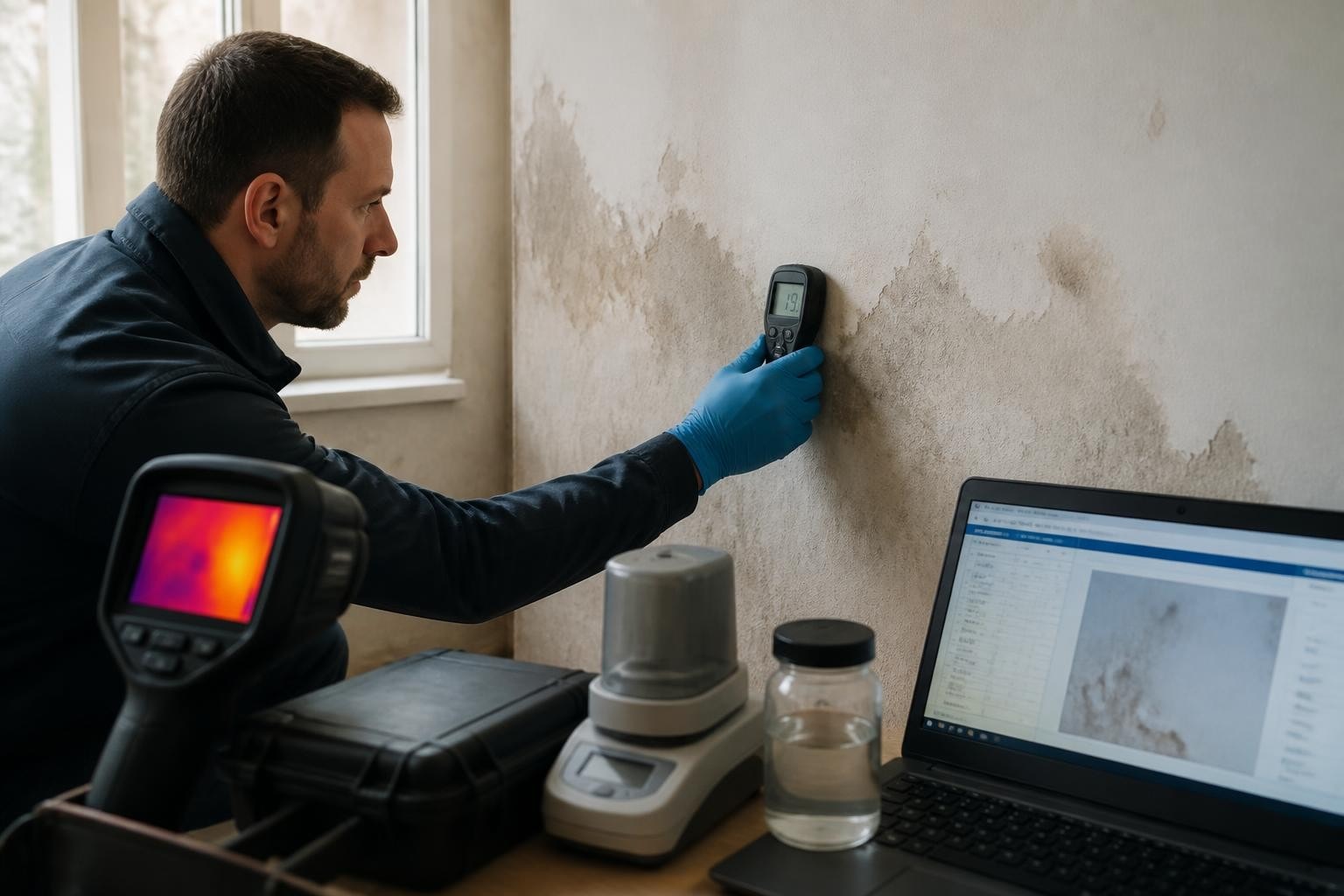
Damp surveys represent a critical diagnostic service for property managers, landlords, and building owners facing moisture ingress concerns across residential and commercial portfolios. Whether triggered by visible mould growth, tenant complaints, pre-acquisition due diligence, or regulatory compliance obligations, these technical assessments provide the evidential foundation for informed remedial decision-making. With legislative pressure intensifying through Awaab's Law and the Social Housing (Regulation) Act 2023, understanding what damp surveys entail, when they're required, and how to procure them has become essential knowledge for responsible duty holders.
What Damp Surveys Actually Measure
Damp surveys extend far beyond visual inspection. Qualified surveyors deploy calibrated moisture meters, thermal imaging cameras, hygrometers, and environmental monitoring equipment to establish the presence, extent, and underlying cause of moisture intrusion.
The Three Primary Damp Categories
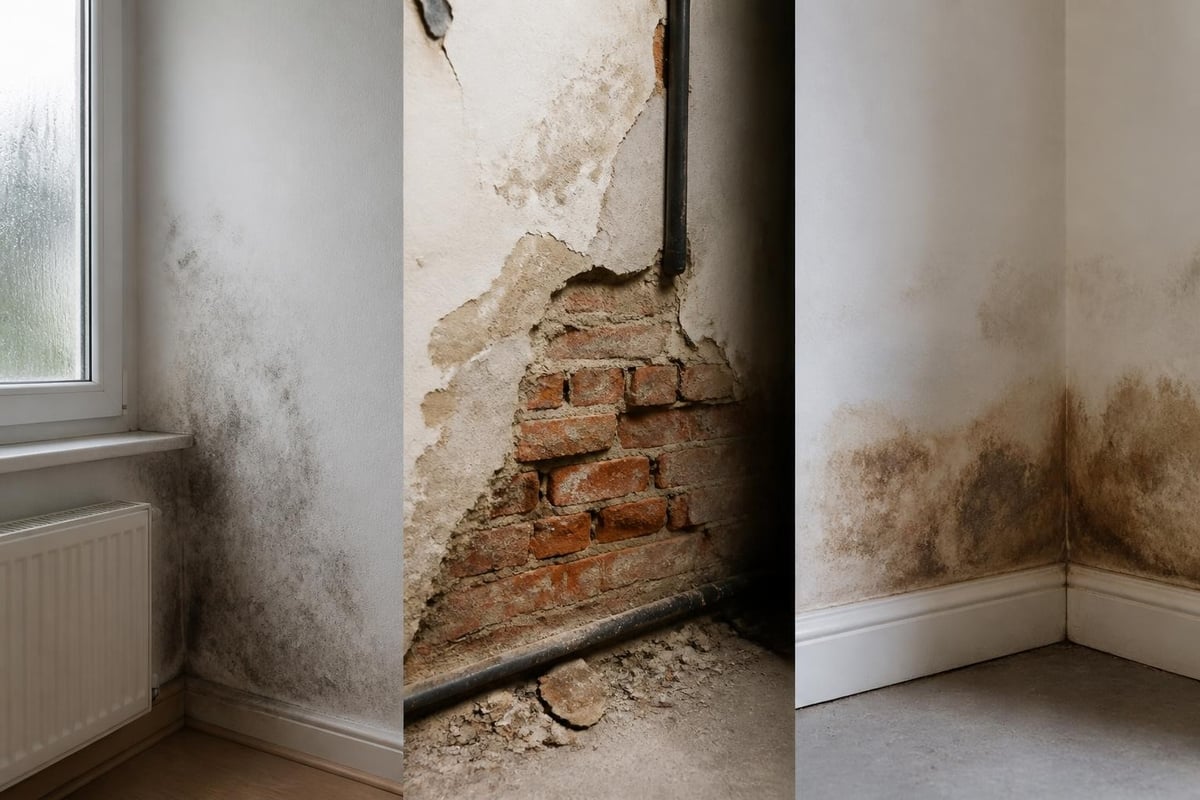
Professional damp surveys differentiate between condensation, penetrating damp, and rising damp. Each category demands distinct investigative techniques and remedial strategies.
Condensation arises from inadequate ventilation and thermal bridging, generating surface moisture when warm, humid air contacts cold surfaces. Surveyors measure relative humidity, surface temperatures, and ventilation rates to diagnose condensation issues.
Penetrating damp results from external water ingress through defective building fabric. Surveyors trace moisture pathways from failed rainwater goods, cracked render, damaged roof coverings, or compromised cavity trays using invasive moisture mapping.
Rising damp occurs when groundwater migrates upward through masonry lacking effective damp-proof courses. Diagnosis requires drilling sample cores for laboratory salt analysis, distinguishing genuine rising damp from misdiagnosed penetrating or condensation issues.
| Damp Type | Primary Cause | Diagnostic Method | Common Locations |
|---|---|---|---|
| Condensation | Inadequate ventilation | Hygrometer, thermal imaging | Bathrooms, kitchens, bedrooms |
| Penetrating | External water ingress | Moisture meters, visual tracing | External walls, roofs, windows |
| Rising | Failed DPC, groundwater | Salt analysis, carbide testing | Ground floor walls, basements |
The most effective damp surveys combine non-invasive screening with targeted invasive investigation, establishing moisture distribution patterns before recommending remedial specifications.
When Damp Surveys Become Mandatory
Regulatory frameworks increasingly mandate formal damp assessment across both residential and commercial sectors. Understanding these trigger points prevents enforcement action and protects occupant health.
Residential Landlord Obligations
Social housing providers face statutory investigation timescales under Awaab's Law. Following tenant reports of damp or mould, registered providers must:
- Assess within specified timeframes
- Commence remediation within defined periods
- Provide interim measures if works are delayed
Private landlords encounter similar expectations under Section 11 of the Landlord and Tenant Act 1985 and the Homes (Fitness for Human Habitation) Act 2018. Documented damp surveys demonstrate reasonable response to tenant complaints, providing litigation defence if health claims arise.
Commercial Property Requirements
Workplace Regulations 1992 require employers to maintain reasonable indoor temperatures and prevent excessive moisture. Where occupants report respiratory symptoms, persistent musty odours, or visible mould growth, duty holders must investigate underlying causes.
Pre-acquisition surveys form standard due diligence for commercial property transactions. Lenders frequently condition mortgage offers on satisfactory damp survey outcomes, particularly for older buildings or properties with visible defects.
Building Safety Act 2022 requirements extend damp considerations into higher-risk residential buildings. Principal Accountable Persons must maintain accurate building information, including moisture ingress risks affecting structural integrity or fire compartmentation.
The Damp Survey Process Explained
Professional damp surveys follow structured methodologies, balancing non-destructive screening with targeted invasive investigation to establish definitive diagnoses.
Initial Non-Invasive Assessment
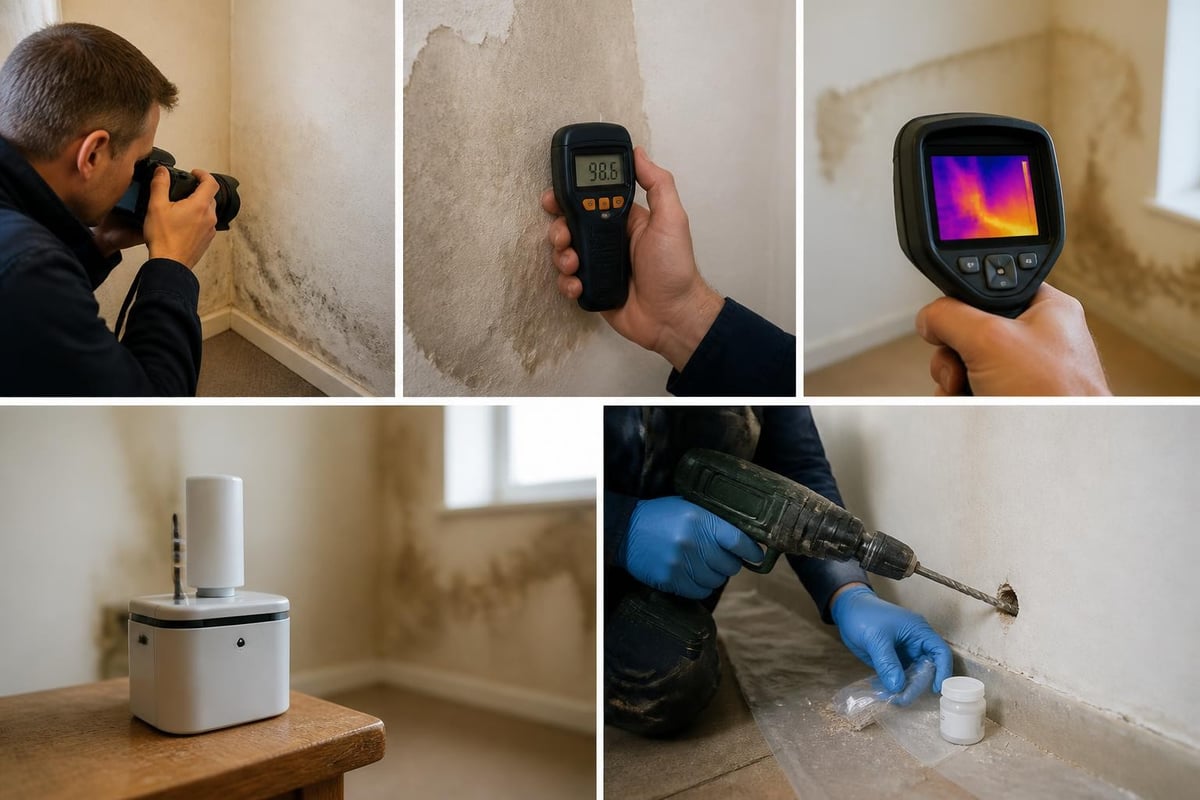
Surveyors commence with comprehensive visual inspection, photographically documenting:
- External building fabric condition
- Rainwater disposal systems
- Ground levels and drainage
- Internal moisture staining patterns
- Mould growth locations and extent
- Ventilation provision and condition
Electronic moisture meters provide surface and subsurface readings across affected zones, mapping moisture distribution patterns without damaging finishes. Thermal imaging cameras visualise temperature differentials, highlighting thermal bridging, insulation defects, and concealed moisture pathways invisible to visual inspection.
Environmental monitoring records ambient temperature, relative humidity, and air movement over extended periods, distinguishing condensation from penetrating or rising damp through seasonal variation patterns.
Invasive Investigation and Laboratory Analysis
Where non-invasive screening indicates rising damp, surveyors drill core samples for laboratory analysis. Qualified damp specialists submit masonry samples to accredited laboratories, measuring hygroscopic salt concentrations indicative of historic or ongoing ground moisture migration.
Carbide testing provides quantitative moisture content measurements, distinguishing wet masonry from damp-reading materials containing conductive salts. This differentiation prevents unnecessary chemical damp-proof course injection into walls where moisture meters detect salts rather than water.
Endoscopic cavity inspection reveals concealed defects within wall voids, identifying bridged cavities, missing cavity trays, or accumulated debris creating moisture pathways from external to internal wall leaves.
Interpreting Damp Survey Reports
Professional damp survey reports translate technical findings into actionable recommendations, prioritising remedial works by urgency, cost, and effectiveness.
Report Structure and Content
Comprehensive reports typically include:
- Executive summary of findings
- Photographic register of defects
- Moisture mapping diagrams
- Laboratory test certificates
- Remedial specifications by priority
- Estimated cost ranges for works
Priority classifications distinguish immediate risks requiring urgent intervention from monitored defects suitable for planned maintenance programmes. Understanding these reports enables informed budgeting and compliance planning.
| Priority Level | Timeframe | Typical Examples |
|---|---|---|
| Urgent (Priority 1) | Within 4 weeks | Active water ingress, structural risk |
| High (Priority 2) | Within 12 weeks | Significant mould growth, occupant health risk |
| Medium (Priority 3) | Within 12 months | Localised dampness, preventive repairs |
| Low (Priority 4) | Planned maintenance | Minor defects, monitoring required |
Surveyors distinguish remedial works from improvement recommendations. Building owners may defer improvements, but defects causing statutory nuisance or health hazards demand prompt attention regardless of commercial considerations.
Selecting Qualified Damp Surveyors
Damp surveying lacks statutory registration, creating market variation in competence and independence. Selecting appropriately qualified professionals protects against mis-selling chemical treatments for condensation issues or recommending unnecessary works.
Recognised Qualifications and Memberships
Reputable damp surveyors typically hold:
- CSRT (Certificated Surveyor in Remedial Treatments) qualification
- CSSW (Certificated Surveyor in Structural Waterproofing) qualification
- RICS (Royal Institution of Chartered Surveyors) membership
- PCA (Property Care Association) membership
Independent consultancies offering survey-only services without tied remedial divisions provide unbiased diagnostic opinions. Integrated providers supplying both survey and remediation services may face commercial pressures favouring specification of their own treatment offerings.
Questions to Ask Prospective Surveyors
Before commissioning damp surveys, property managers should establish:
- Professional indemnity insurance limits covering survey negligence claims
- Surveyor qualifications and CPD currency
- Independence from remedial contractors or product manufacturers
- Report deliverables including photographic evidence and laboratory certificates
- Timescales for report delivery following site visit
- Fee structure including any additional charges for invasive testing
Requesting sample reports from previous projects demonstrates report quality, detail level, and clarity of remedial recommendations before commitment.
Health Implications Driving Survey Requirements
Research evidence linking damp indoor environments to respiratory illness, allergic responses, and asthma exacerbation underpins regulatory intervention. Damp surveys establish causation chains between building defects and occupant health complaints, enabling targeted remediation.
Mould spore exposure triggers allergic reactions in sensitised individuals. Prolonged exposure to damp conditions correlates with increased respiratory infections, particularly affecting children, elderly occupants, and immunocompromised individuals.
Professional damp surveys quantify these risks through moisture measurement, mould identification, and ventilation assessment. Reports translate technical findings into health risk classifications, supporting landlord compliance with statutory housing health and safety rating system (HHSRS) obligations.
Mouldsurv services address both domestic and commercial damp challenges under unified regulatory frameworks. Whether responding to Social Housing (Regulation) Act 2023 timescales or Workplace Regulations 1992 obligations, professionally documented surveys establish the evidential foundation for compliant remediation programmes.

Post-Remediation Verification
Competent damp surveys include post-remediation verification protocols. Following remedial works completion, surveyors return to confirm:
- Moisture levels have normalised to acceptable ranges
- Environmental conditions support long-term moisture control
- Installed systems (ventilation, heating, drainage) operate effectively
- No recurrent defects emerge within warranty periods
This verification stage provides landlords with documented evidence of effective remediation, protecting against future health claims or regulatory enforcement.
Cost Considerations and Budget Planning
Damp survey pricing varies by property size, access complexity, and investigation depth required. Understanding typical cost structures enables accurate budget planning and prevents scope creep during procurement.
Typical Fee Ranges
| Survey Scope | Property Type | Typical Fee Range |
|---|---|---|
| Basic visual survey | 2-bed flat | £150–£300 |
| Standard survey with moisture mapping | 3-bed house | £300–£600 |
| Comprehensive survey with lab testing | Commercial unit | £600–£1,500 |
| Multi-unit block screening | 10-flat block | £1,200–£3,000 |
Additional costs may arise for:
- Laboratory analysis of salt samples (£80–£150 per sample)
- Extended environmental monitoring using data-logging equipment (£200–£400 per month)
- Specialist endoscopic inspection of concealed cavities (£300–£600)
- Urgent or out-of-hours attendance (premium rates apply)
Balancing survey investment against remediation costs proves crucial. Comprehensive initial surveys prevent repeat visits, change orders, and remedial specification errors that multiply ultimate project costs.
Common Damp Survey Misconceptions
Property managers frequently encounter misleading information regarding damp diagnosis and treatment. Professional surveys dispel these misconceptions through evidenced investigation.
Misconception 1: All ground floor dampness indicates rising damp. Reality: Thorough surveying reveals that penetrating damp from external ground levels, leaking services, or condensation causes the majority of ground floor moisture issues.
Misconception 2: Electronic moisture meters provide definitive rising damp diagnosis. Reality: Meters detect electrical conductivity, influenced by hygroscopic salts independent of current moisture content. Laboratory salt analysis distinguishes genuine rising damp from residual salts in previously damp walls.
Misconception 3: Chemical damp-proof courses solve all rising damp problems. Reality: Without addressing external ground levels, defective drainage, or inadequate sub-floor ventilation, chemical injection alone rarely resolves underlying moisture ingress pathways.
Misconception 4: Black mould always indicates serious structural defects. Reality: Surface mould frequently results from lifestyle condensation in adequately constructed properties with insufficient heating or ventilation. Understanding these distinctions prevents unnecessary remedial expenditure.
Integration with Broader Compliance Strategies
Damp surveys rarely operate in isolation within comprehensive property compliance frameworks. Moisture intrusion affects multiple building systems and regulatory obligations.
Cross-Disciplinary Considerations
Fire safety implications: Damp degrades compartmentation integrity, compromising fire-stopping effectiveness around service penetrations. Moisture exposure damages intumescent seals and timber fire door assemblies, necessitating coordinated fire and damp survey programmes.
Asbestos interactions: Remedial works following damp surveys may disturb concealed asbestos-containing materials. Integrated asbestos management ensures refurbishment surveys precede invasive damp remediation, preventing inadvertent ACM disturbance.
Water hygiene connections: Chronic plumbing leaks causing damp also create Legionella risks through stagnant water accumulation. Combined water hygiene and damp assessment programmes identify interconnected risks efficiently.
Building Safety Act portfolios: Higher-risk residential buildings require holistic risk assessment, incorporating damp surveys within mandatory safety case regimes addressing all significant building risks systematically.
Documentation and Audit Trails
Professional damp surveys generate audit-ready documentation supporting:
- Regulatory compliance evidence for enforcement queries
- Insurance claims for gradual damage or occupant injury
- Landlord defence against health-related litigation
- Asset management planning and maintenance budgeting
- Due diligence for property transactions or refinancing
Maintaining survey records alongside remedial works specifications, contractor certifications, and post-completion verification reports creates defensible compliance trails withstanding external scrutiny.
Technology Advances Enhancing Survey Accuracy
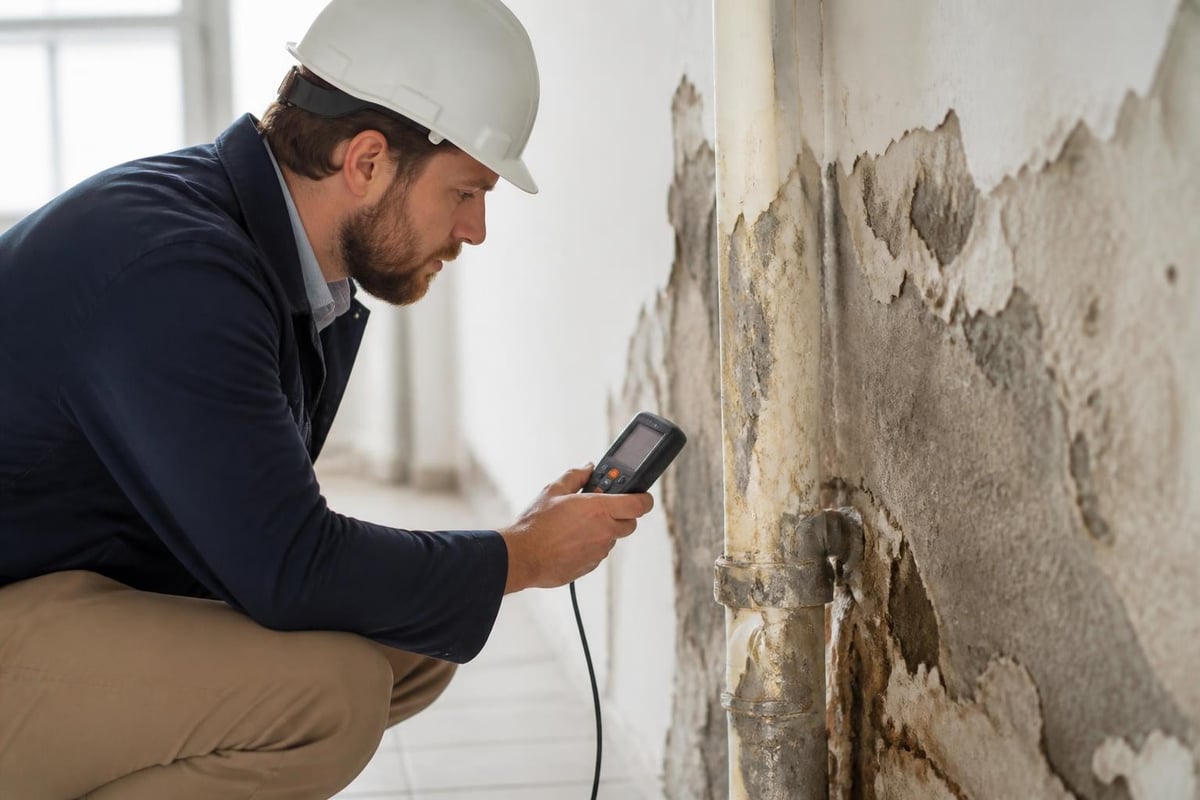
Contemporary damp surveys leverage technological innovation, improving diagnostic precision whilst reducing investigation timescales and occupant disruption.
Thermal Imaging Capabilities
Modern thermal cameras detect temperature differentials as small as 0.1°C, revealing concealed moisture pathways invisible to conventional inspection. Surveyors identify:
- Thermal bridging through insulation defects
- Air leakage around windows and doors
- Hidden plumbing leaks within wall cavities
- Roof insulation deficiencies causing condensation
Real-time thermal imaging during site visits enables immediate investigative focus, reducing follow-up requirements and accelerating report delivery.
Environmental Data Logging
Wireless humidity and temperature sensors monitor internal conditions over weeks or months, establishing baseline environmental patterns. Cloud-based data platforms provide remote access to real-time readings, distinguishing isolated moisture events from persistent damp conditions requiring remediation.
This extended monitoring proves particularly valuable for intermittent defects, condensation diagnosis, and post-remediation verification where single-visit surveys provide insufficient temporal data.
Moisture Mapping Software
Digital survey platforms integrate moisture readings, thermal images, and photographic evidence into georeferenced floor plans. Interactive reports allow clients to explore findings by room, defect type, or priority level, improving remediation planning and contractor briefing.
These platforms generate quantitative data supporting insurance claims, legal proceedings, or regulatory compliance demonstrations through objective, reproducible measurements rather than subjective opinion.
Future Regulatory Trajectory
Legislative developments signal continued intensification of damp-related compliance obligations across both residential and commercial sectors.
Decent Homes Standard updates propose explicit damp and mould criteria for social housing, moving beyond current HHSRS assessments toward prescriptive moisture control requirements. Private rented sector regulation may follow equivalent standards, expanding mandatory survey trigger points.
Building Safety Regulator guidance increasingly references indoor environmental quality within safety case regimes, positioning damp management as integral to occupied building risk control rather than isolated maintenance activity.
Climate change adaptation strategies acknowledge increased extreme weather frequency, driving building resilience requirements including enhanced moisture ingress protection. Forward-looking property strategies incorporate regular damp surveys within preventive maintenance programmes, identifying vulnerabilities before occupant impact or regulatory intervention.
Professional damp surveys position property managers ahead of enforcement curves, demonstrating proactive risk management through documented investigation programmes. This evidenced approach supports positive regulatory relationships, reduces intervention likelihood, and protects occupant health through early defect identification.
Effective damp diagnosis requires qualified surveyors, appropriate investigation depth, and integration with broader building safety strategies. Whether addressing regulatory timescales, pre-acquisition due diligence, or occupant health protection, professionally documented damp surveys provide the evidential foundation for informed remediation investment. For multi-discipline property compliance delivered with audit-ready precision nationwide, oxford-ec.co.uk coordinates asbestos, fire safety, water hygiene, and damp management under unified technical oversight, ensuring consistent standards across your entire portfolio.