
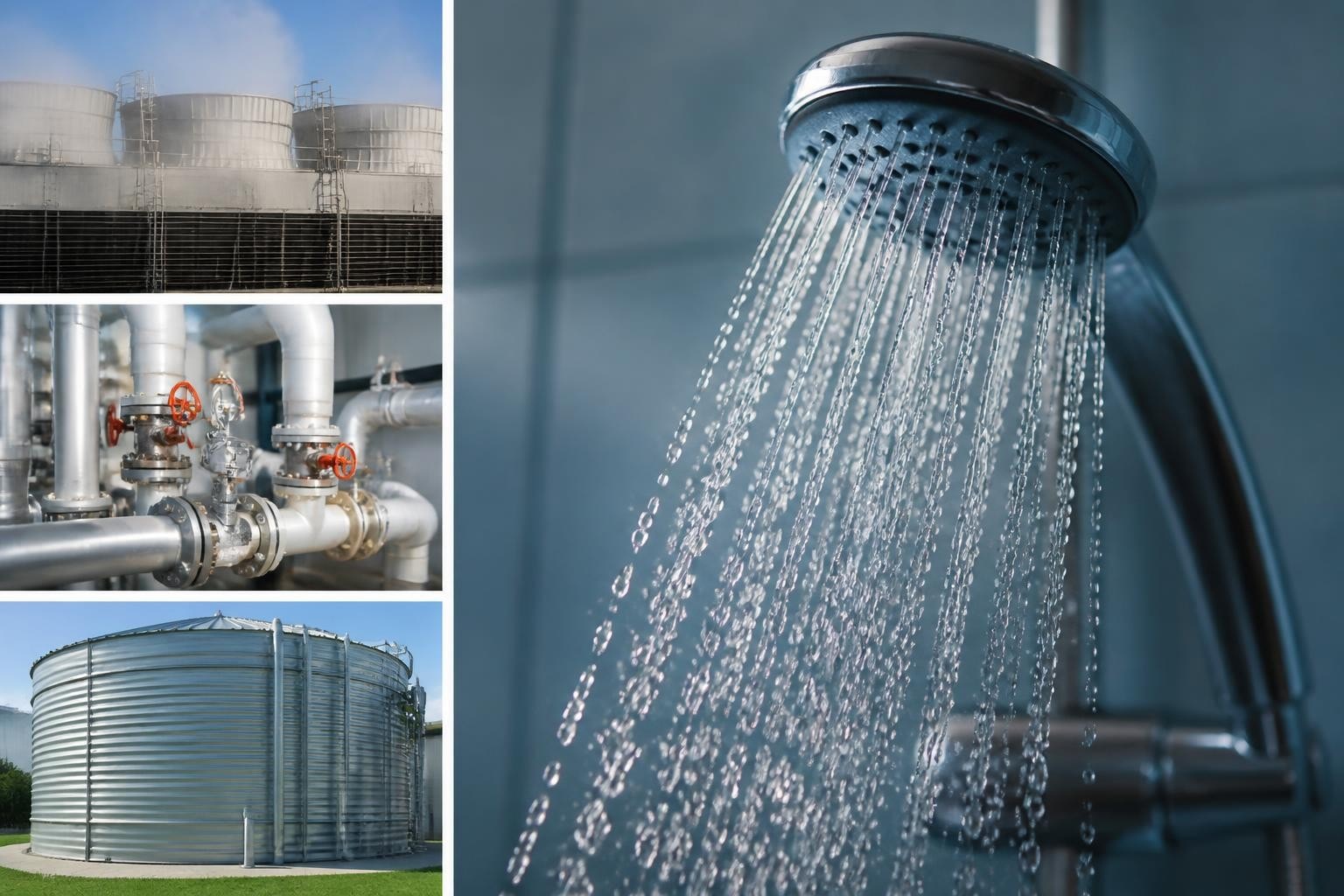
Property managers and building owners face mounting regulatory pressure to demonstrate comprehensive water safety management. Legionella risk assessments represent a legal obligation under the Health and Safety at Work etc. Act 1974 and the Control of Substances Hazardous to Health (COSHH) Regulations 2002, yet many duty holders struggle to understand what constitutes a compliant assessment. With Legionnaires' disease remaining a serious public health concern, the importance of robust risk evaluation cannot be overstated. This guide examines the essential components, regulatory framework, and practical implementation of effective legionella risk assessments across commercial and residential portfolios.
Understanding the Legal Framework
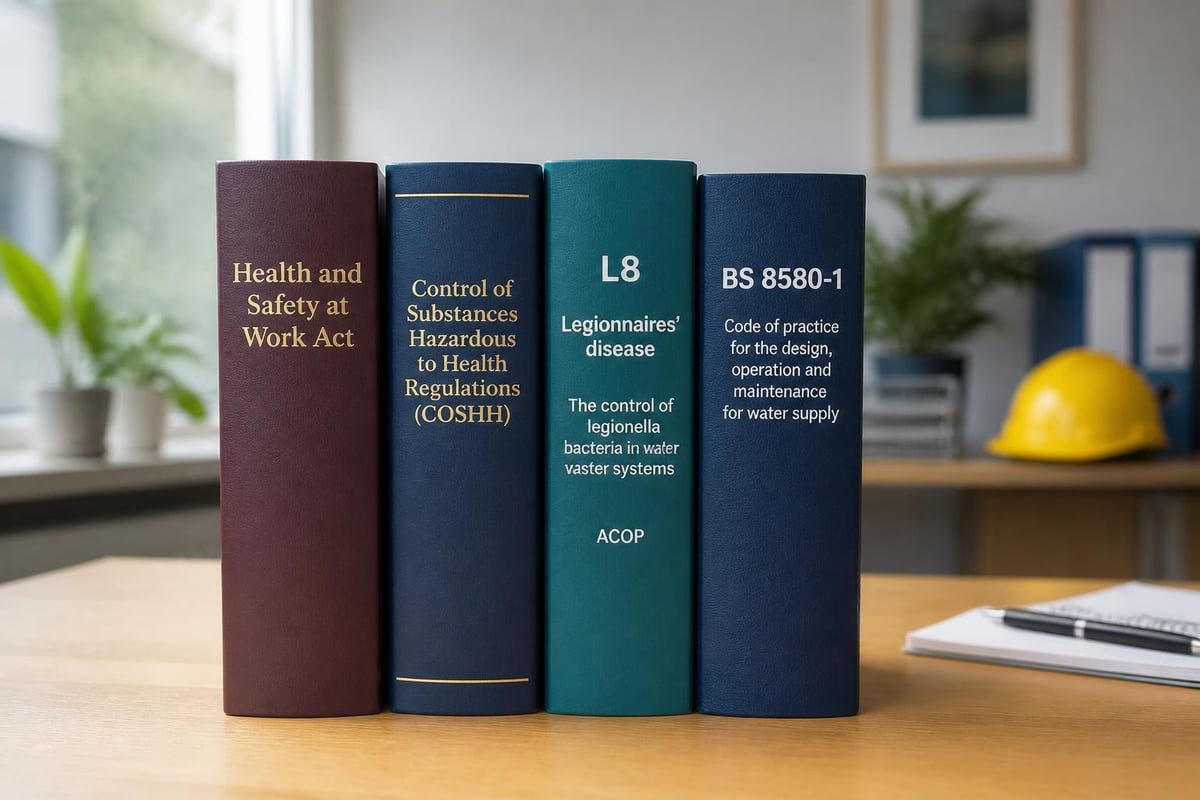
The Approved Code of Practice L8 sets the gold standard for controlling legionella bacteria in water systems. This document translates legal requirements into practical steps, giving duty holders a clear pathway to compliance.
Key regulatory drivers include:
- Health and Safety at Work etc. Act 1974 (duty to protect employees and others)
- COSHH Regulations 2002 (specific requirements for biological agents)
- ACoP L8 (fourth edition, 2013, with technical updates)
- BS 8580-1:2019 (risk assessment methodology)
Duty holders must appoint a responsible person with sufficient authority, competence and resources to manage water safety. This individual oversees the risk assessment process, implements control measures, and maintains audit records.
Who Requires a Legionella Risk Assessment
Any organisation controlling premises with a water system falls within scope. The CDC guidance on reducing Legionella growth emphasises that risk exists wherever water droplets can form and be inhaled.
Buildings requiring assessment typically include:
- Commercial offices with cooling towers
- Healthcare facilities and care homes
- Hotels, leisure centres and spas
- Educational establishments
- Residential blocks with communal systems
- Industrial premises with process water
Even small systems present risk if water temperatures, stagnation or aerosol generation create favourable conditions. Property managers consolidating compliance responsibilities increasingly recognise that water hygiene sits alongside fire safety and asbestos management as a non-negotiable duty.
Core Components of Compliant Assessments
A thorough legionella risk assessment extends beyond simple water temperature checks. BS 8580-1 provides the structured methodology that underpins defensible risk evaluation.
System Identification and Schematic Production
Every assessment begins with comprehensive system mapping. Assessors must identify all water services, including:
- Cold water storage tanks and header tanks
- Hot water calorifiers and distribution pipework
- Shower outlets and spray taps
- Cooling towers and evaporative condensers
- Water features and ornamental fountains
Schematic diagrams form the assessment's backbone, showing pipe runs, dead-legs, storage volumes and control valve locations. These drawings prove invaluable during subsequent monitoring and provide clarity for maintenance contractors.
| Assessment Component | Purpose | Typical Output |
|---|---|---|
| System schematic | Visual representation of water routes | Annotated CAD or hand-drawn plans |
| Asset register | Itemised list of control points | Spreadsheet with unique asset IDs |
| Temperature survey | Baseline thermal profiling | Sentinel tap readings and storage temps |
| Visual inspection | Identification of physical defects | Photographic evidence of issues |
Hazard Identification and Risk Scoring
Assessors evaluate each system element against established risk criteria. Water temperatures between 20°C and 45°C create ideal conditions for legionella proliferation, whilst stagnant water in little-used outlets allows bacterial amplification.
The risk matrix considers likelihood and severity:
Likelihood factors:
- System design complexity
- Water temperature control
- Stagnation potential
- Aerosol generation
- Vulnerable building occupants
Severity indicators:
- Number of people exposed
- Frequency of exposure
- Immunocompromised occupants
- Aerosol inhalation routes
Combined scores determine priority for remedial action. High-risk findings demand immediate intervention, whilst lower-priority items enter planned maintenance schedules.
Written Scheme of Control Development
Risk assessment conclusions feed directly into the written scheme of control, which documents all ongoing management activities. This living document specifies monitoring frequencies, responsible persons, and corrective action triggers.
Temperature Monitoring Regimes
Monthly temperature checks at sentinel outlets verify system performance. Hot water should reach 50°C within one minute at taps, whilst cold water must remain below 20°C.
Storage vessels require quarterly inspection:
- Cold water tanks: below 20°C
- Hot water calorifiers: stored at 60°C, distributed above 50°C
Recording protocols must capture date, time, location, temperature, operative name and any deviations. Digital logging systems increasingly replace manual sheets, improving data integrity and trend analysis.
Cleaning and Disinfection Schedules
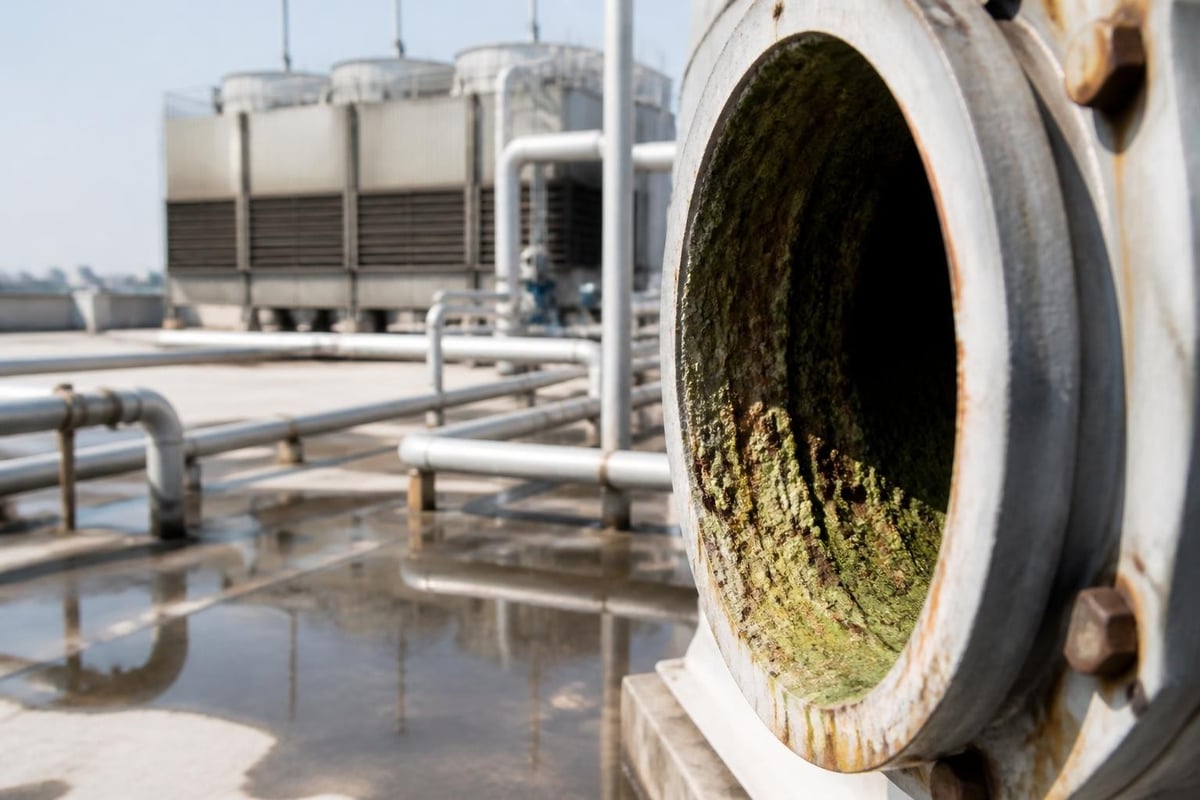
Cooling towers demand weekly inspections and biocide dosing adjustments. Quarterly deep cleans prevent biofilm accumulation, whilst annual shutdowns allow thorough inspection of fill-pack and drift eliminators.
Water storage tanks require inspection every six months, with chlorination or system draining where heavy contamination exists. Little-used outlets need weekly flushing to prevent stagnation.
For comprehensive water safety management aligned to BS 8580-1 and ACoP L8, Water Hygiene and Legionella services deliver UKAS laboratory analysis, detailed schematic diagrams, and audit-ready written schemes of control that integrate seamlessly with broader property compliance programmes.

Sampling and Microbiological Testing
Whilst L8 does not mandate routine legionella sampling, baseline testing helps validate water management programmes and provides early warning of system deterioration.
When to Sample
Strategic sampling proves valuable in several scenarios:
- Commissioning new systems – Establishing baseline contamination levels
- Post-remediation verification – Confirming disinfection effectiveness
- Investigating temperature excursions – Understanding underlying causes
- High-risk environments – Healthcare settings with vulnerable patients
- Outbreak investigation – Identifying contamination sources
Sample points should represent different system areas, capturing both hot and cold services. Laboratory analysis quantifies legionella colony-forming units per litre (CFU/L), with results interpreted against HSG274 guidance thresholds.
| CFU/L Result | Interpretation | Required Action |
|---|---|---|
| <100 | Acceptable | Continue routine monitoring |
| 100-1,000 | Review system | Investigate causes, increase monitoring |
| >1,000 | Unacceptable | Immediate disinfection, reassess controls |
Laboratory Accreditation Requirements
Only UKAS-accredited laboratories using ISO 11731 or equivalent methodologies should perform legionella analysis. Quantitative microbial risk assessment techniques rely on accurate enumeration and speciation to inform control decisions.
Chain-of-custody protocols ensure sample integrity from collection through analysis. Temperature-controlled transport within 24 hours prevents result distortion from sample deterioration or continued bacterial growth.
Assessment Frequency and Review Triggers
Legionella risk assessments remain valid for two years maximum, though significant changes demand immediate reassessment.
Review triggers include:
- Building alterations affecting water systems
- Changes in building use or occupancy
- System modifications or extensions
- New plant installations
- Identified control failures
- Cases of legionellosis potentially linked to the premises
Even without system changes, biennial reassessment ensures control measures remain effective against evolving risk profiles. Building water systems age, occupancy patterns shift, and maintenance regimes drift without active oversight.
The two-year maximum cycle for legionella risk assessment reviews, showing interim triggers like system changes, control failures, and occupancy modifications that require immediate reassessment
Common Assessment Deficiencies
Regulatory enforcement action frequently highlights recurring shortcomings in legionella risk assessments. Understanding these pitfalls helps duty holders commission robust evaluations.
Inadequate System Knowledge
Surface-level assessments that miss concealed pipework, redundant dead-legs or orphaned storage tanks create dangerous blind spots. European technical guidelines on Legionella prevention emphasise the importance of comprehensive system understanding.
Desktop assessments without site surveys inevitably miss critical details. Physical inspection reveals:
- Previously unknown outlets and shower heads
- Trace heating failures on cold water pipes
- Insulation defects allowing temperature gain
- Mixing valve malfunctions
- Abandoned pipework still holding water
Generic Written Schemes
Cut-and-paste control schemes lacking site-specific detail fail the competence test. Each written scheme must reflect actual system configuration, identified risks, and building-specific control points.
Essential site-specific elements:
- Named responsible persons with contact details
- Unique asset identifiers matching site schematics
- Actual monitoring frequencies justified by risk scores
- Precise sampling point locations
- Emergency contact procedures
- Escalation routes for non-conformances
Generic templates suggest assessors lack genuine understanding of the premises, raising questions about overall competence and reliability.
Competence and Training Requirements
The responsible person need not perform hands-on tasks but must understand legionella risks sufficiently to make informed decisions. L8 emphasises that competence combines training, experience, knowledge and personal qualities.
Assessor Qualifications
Professional legionella risk assessors typically hold:
- City & Guilds / RSPH qualifications in water hygiene
- Membership of professional bodies (LCA, WMSoc)
- Demonstrable track record across diverse building types
- Understanding of plumbing systems and microbiological principles
- Insurance coverage appropriate to the role
Oxford EC's water hygiene specialists maintain current qualifications whilst drawing on multi-disciplinary experience across fire safety, asbestos management and building compliance, providing integrated risk perspectives.
Ongoing Competence Development
Water safety knowledge evolves continuously. New pathogens, treatment technologies and regulatory interpretations demand regular professional development. Annual refresher training, technical bulletins and peer review maintain competence standards.
Integration with Broader Compliance
Legionella risk assessments rarely exist in isolation. Property managers juggling multiple compliance obligations benefit from coordinated approaches that identify synergies and avoid duplication.
Water safety interfaces with several other disciplines:
Fire safety: Sprinkler systems and fire-fighting water storage require legionella control despite infrequent use. Fire safety services should coordinate with water hygiene assessors to address these dual-purpose systems.
Asbestos management: Invasive water system modifications may disturb asbestos-containing materials in pipe lagging or tank insulation, requiring asbestos survey updates before remedial works commence.
Building maintenance: Planned preventative maintenance schedules should incorporate water hygiene tasks, preventing isolated legionella control from becoming an afterthought.
Multi-discipline consultancies deliver coordinated risk management, reducing survey disruption whilst ensuring comprehensive property compliance visibility.
Documentation and Audit Readiness
HSE enforcement officers routinely request legionella risk assessment documentation during inspections. Incomplete or poorly organised records suggest wider management system failures.
Essential Record Sets
Compliant documentation packages include:
- Current risk assessment report – Signed, dated, with review schedule
- System schematics – Up-to-date drawings showing all services
- Asset register – Complete inventory with unique identifiers
- Written scheme of control – Site-specific procedures and frequencies
- Temperature logs – Minimum 12 months' sequential records
- Training records – Competence evidence for responsible persons
- Remedial action tracker – Status of identified improvements
Digital storage with version control prevents document loss and facilitates rapid production during audits. Cloud-based compliance platforms increasingly replace filing cabinets, improving accessibility for multi-site portfolios.
Enforcement Expectations
When HSE investigators review legionella controls, they assess:
- Suitability – Does the assessment genuinely reflect the premises?
- Sufficiency – Are all systems and risks captured?
- Implementation – Do records prove active control delivery?
- Competence – Are responsible persons appropriately trained?
- Review – Is reassessment occurring at appropriate intervals?
The CDC worksheet for identifying buildings with increased Legionella risk provides a useful self-assessment tool that aligns with enforcement perspectives.
Case Study Applications
Real-world examples illustrate how effective legionella risk assessments translate into measurable safety improvements across different property types.
Healthcare Facility Implementation
A 200-bed private hospital commissioned comprehensive water system assessment following temperature monitoring failures. The assessment identified:
- Six redundant shower outlets in disused wards
- Inadequate calorifier storage temperature (54°C instead of 60°C)
- Missing thermostatic mixing valve documentation
- Insufficient cold water tank insulation allowing solar gain
Remedial works included dead-leg removal, calorifier thermostat recalibration, valve replacement and tank insulation upgrades. Post-intervention sampling confirmed legionella levels below 100 CFU/L across all test points, validating control effectiveness.
Multi-Site Retail Portfolio
A property management company with 47 retail units across the UK faced inconsistent legionella control standards. Consolidating compliance under specialist consultancy oversight delivered:
- Standardised assessment templates adapted for site-specific conditions
- Centralised temperature logging platform
- Quarterly compliance dashboards showing portfolio-wide performance
- Single-source contractor management for remedial works
This coordinated approach reduced assessment costs by 23% whilst improving data quality and regulatory confidence.
Emerging Technologies and Future Developments
Water safety management continues evolving through technological innovation and regulatory refinement.
Digital Monitoring Solutions
Internet-of-Things temperature sensors provide continuous system monitoring, alerting responsible persons to excursions immediately rather than monthly. Real-time dashboards replace manual logbooks, improving trend visibility and regulatory demonstration.
Automated flushing systems address stagnation risks in little-used outlets, particularly valuable in buildings with fluctuating occupancy like hotels or student accommodation.
Regulatory Horizon Scanning
The Building Safety Act 2022 introduces heightened accountability for higher-risk residential buildings. Whilst primarily focused on fire and structural safety, the Act's culture of rigorous risk management inevitably influences water hygiene expectations.
Future L8 revisions may incorporate enhanced sampling requirements, digital record-keeping mandates, or tightened competence standards for responsible persons. Staying ahead of regulatory developments through professional guidance resources and industry participation ensures continued compliance readiness.
Risk-Based Prioritisation Strategies
Not all legionella risks demand equal urgency. Effective duty holders apply proportionate responses aligned to genuine threat levels.
Vulnerability-Led Assessment
Buildings housing immunocompromised occupants warrant enhanced control measures. Care homes, oncology units and renal dialysis centres require:
- More frequent temperature monitoring
- Lower action trigger temperatures
- Routine sampling programmes
- Rapid response protocols for any positive detections
Conversely, low-occupancy industrial premises with robust thermal control may justify reduced monitoring frequencies, provided risk assessment documentation justifies the approach.
System Complexity Considerations
Large, complex water systems with multiple storage vessels, extensive distribution pipework and numerous outlets present elevated risk compared to simple point-of-use heaters. Assessment depth and control intensity should reflect this complexity gradient.
Simple buildings might achieve adequate control through monthly checks and annual reviews. Complex sites demand weekly monitoring, quarterly sampling and continuous responsible person oversight.
Contractor Selection and Management
Many duty holders outsource legionella risk assessment to specialist consultancies. Selecting competent providers and managing their performance determines ultimate compliance success.
Tender Evaluation Criteria
When procuring assessment services, evaluate:
Technical capability:
- Assessor qualifications and registration status
- Quality management system certification (ISO 9001)
- Professional indemnity insurance limits
- UKAS laboratory partnerships for sampling
- Reference sites of comparable complexity
Commercial factors:
- Transparent pricing with itemised costs
- Realistic timescales for report delivery
- Post-assessment support availability
- Multi-year framework potential
- Geographic coverage for multi-site portfolios
Cultural alignment:
- Understanding of your sector's specific challenges
- Communication style and responsiveness
- Technology platform compatibility
- Integration with existing compliance systems
Performance Monitoring
Established contractor relationships require ongoing oversight. Key performance indicators might include:
| KPI | Target | Measurement Method |
|---|---|---|
| Report delivery time | Within 10 working days | Days from survey to final issue |
| Findings accuracy | Zero material errors | Client review and spot-check |
| Remedial cost estimates | ±15% of actual costs | Post-project comparison |
| Regulator acceptability | Zero qualified findings | Audit and inspection outcomes |
Regular performance reviews identify improvement opportunities and validate continued contractor suitability.
Effective legionella risk assessments form the cornerstone of defensible water safety management, translating regulatory obligations into practical control measures that protect building occupants whilst satisfying enforcement expectations. Property managers and building owners seeking audit-ready precision across water hygiene, fire safety, asbestos management and building compliance benefit from coordinated, multi-discipline risk assessment programmes that deliver comprehensive visibility and regulatory confidence nationwide.