
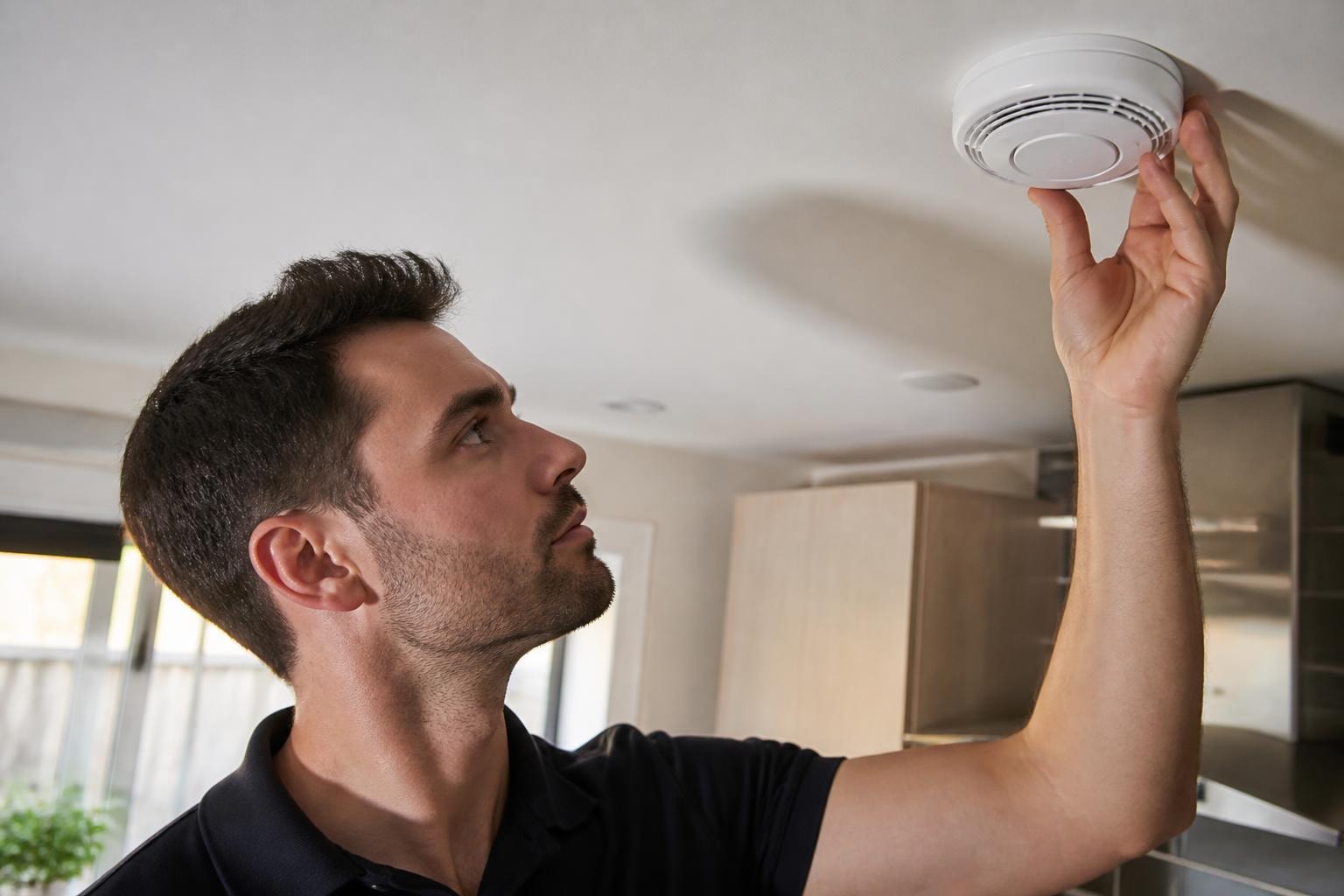
The regulatory landscape governing residential properties in the United Kingdom has evolved dramatically over recent years, with home compliance now sitting at the intersection of statutory duty, occupant safety, and financial liability. Whether you manage a single buy-to-let flat or oversee a portfolio of multi-occupancy buildings, understanding and maintaining compliance is no longer optional-it's the foundation of responsible property stewardship. From fire safety and asbestos management to water hygiene and emerging damp and mould obligations, the spectrum of compliance requirements demands structured, auditable processes that keep pace with legislative change.
Understanding the Home Compliance Framework
Home compliance encompasses the full range of statutory and regulatory obligations that apply to residential properties, designed to protect occupants, preserve property value, and mitigate legal risk. The framework draws authority from multiple sources: primary legislation such as the Housing Act 2004, secondary regulations including the Management of Houses in Multiple Occupation (HMO) Regulations 2006, and approved codes of practice like ACoP L8 for water safety.
This multi-layered structure means compliance is rarely a single checklist. Instead, it requires ongoing risk assessment, periodic inspection, and dynamic management systems that adapt as properties change use, age, or undergo refurbishment. The Home Regulations Authority provides a useful overview of how federal, state, and local regulations interact in similar frameworks internationally.
Key compliance domains in residential property include:
- Fire safety assessment and management
- Asbestos identification and control
- Water hygiene and Legionella prevention
- Damp, mould, and ventilation standards
- Electrical safety certification
- Gas safety certification
- Energy Performance Certificate (EPC) compliance
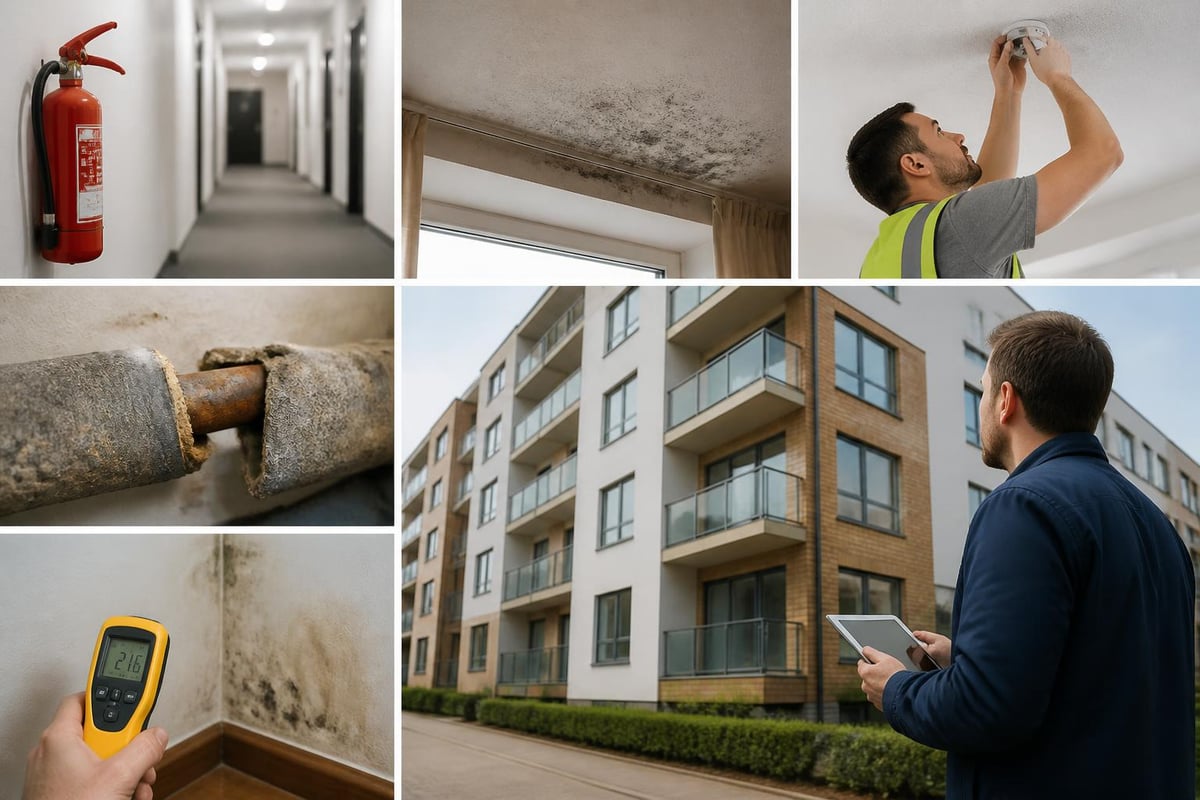
Regulatory Drivers Behind Home Compliance
The tragic Grenfell Tower fire in 2017 reshaped the UK's approach to building and fire safety, leading to the Fire Safety Act 2021 and the Building Safety Act 2022. These landmark pieces of legislation extended the scope of the Regulatory Reform (Fire Safety) Order 2005, bringing external walls, flat entrance doors, and building structure under scrutiny for the first time in many residential settings.
Simultaneously, the Social Housing (Regulation) Act 2023 introduced Awaab's Law, mandating strict timescales for damp and mould remediation following the death of two-year-old Awaab Ishak. The legislative response demonstrates an unmistakable shift: reactive compliance is insufficient, and duty holders must demonstrate proactive, evidence-based risk management.
| Legislation | Year | Primary Impact on Home Compliance |
|---|---|---|
| Housing Act 2004 | 2004 | Introduced Housing Health and Safety Rating System (HHSRS) |
| Regulatory Reform (Fire Safety) Order | 2005 | Mandatory fire risk assessments for common parts |
| Control of Asbestos Regulations | 2012 | Duty to manage asbestos in non-domestic premises (extended interpretation to common parts) |
| Fire Safety Act | 2021 | Extended fire safety duties to building structure and external walls |
| Building Safety Act | 2022 | Created Building Safety Regulator and higher-risk building regime |
| Social Housing (Regulation) Act | 2023 | Awaab's Law: strict damp and mould response timescales |
Fire Safety Compliance in Residential Properties
Fire safety represents the most heavily regulated aspect of home compliance, with obligations varying significantly based on building type, height, occupancy, and ownership structure. Single-occupancy dwellings generally fall outside the scope of the Regulatory Reform (Fire Safety) Order 2005, but houses in multiple occupation (HMOs), purpose-built flats, and converted buildings all require formal fire risk assessment.
Fire Risk Assessment Requirements
The Fire Risk Assessment forms the cornerstone of fire safety compliance. Aligned to PAS 79-1 for non-residential premises and PAS 79-2 for residential buildings, these assessments evaluate the likelihood of fire, potential consequences, and adequacy of existing controls. The assessment must identify:
- Sources of ignition and fuel
- People at risk, particularly vulnerable occupants
- Fire detection and warning systems
- Means of escape, including travel distances and exit signage
- Emergency lighting provision
- Fire-fighting equipment
- Management procedures and training
For higher-risk buildings-those over 11 metres or seven storeys-the Building Safety Act 2022 introduces additional requirements including the appointment of an Accountable Person, production of a Safety Case Report, and mandatory registration with the Building Safety Regulator.
Fire door integrity presents a persistent compliance challenge. Surveying existing fire doors and confirming they meet the required fire resistance rating (typically FD30S or FD60S) requires specialist knowledge of construction, intumescent seals, and self-closing mechanisms. Poorly maintained or incorrectly installed fire doors represent one of the most common fire safety deficiencies identified during enforcement inspections.
Passive and Active Fire Protection Systems
Beyond doors, compartmentation-the subdivision of a building using fire-resistant walls, floors, and cavity barriers-forms the primary defence against fire spread. Breaches in compartmentation, often caused by service penetrations for pipes, cables, and ducts, compromise the entire fire strategy. Effective home compliance requires periodic compartmentation surveys and remedial fire-stopping programmes to maintain integrity.
Active fire protection systems requiring compliance management:
- Automatic fire detection and alarm systems (BS 5839-1 and BS 5839-6)
- Emergency lighting (BS 5266)
- Fire suppression systems (sprinklers and mist systems)
- Smoke control and ventilation systems
Each system demands design verification, commissioning documentation, and ongoing maintenance regimes. The Home Compliance Authority highlights similar inspection and certification requirements across jurisdictions, emphasising the universal need for documented, periodic testing.

Asbestos Management in Residential Settings
Asbestos remains one of the UK's most significant occupational health hazards, responsible for approximately 5,000 deaths annually. While the Control of Asbestos Regulations 2012 primarily target non-domestic premises, the duty to manage asbestos extends to the common parts of residential buildings where maintenance workers, contractors, and managing agents operate.
Asbestos Surveying and Register Maintenance
The duty to manage begins with identification. Management surveys, conducted in accordance with HSG 264, provide a systematic assessment of asbestos-containing materials (ACMs) within accessible areas. The survey output-a comprehensive register with photographic evidence, material risk scores, and priority assessments-becomes the foundation of the Asbestos Management Plan.
Refurbishment and demolition surveys go further, employing intrusive and destructive techniques to identify every material presumed or confirmed to contain asbestos before works commence. This level of investigation is mandatory before any structural alteration, ensuring contractors do not inadvertently disturb ACMs during renovation.
Maintaining home compliance requires annual re-inspection of known ACMs to monitor condition deterioration, track material scores, and update priority actions. Many duty holders underestimate this obligation, allowing asbestos registers to become outdated and exposing themselves to regulatory enforcement and potential prosecution.
Water Hygiene and Legionella Control
Legionella bacteria, which cause Legionnaires' disease, thrive in water systems maintained between 20°C and 45°C. The water hygiene obligations under the Health and Safety at Work Act 1974 and the Control of Substances Hazardous to Health Regulations 2002 apply to landlords and building managers who control water systems accessed by tenants, contractors, or visitors.
Legionella risk assessment (LRA) must evaluate:
- Water system design, including dead legs and rarely used outlets
- Water temperatures at calorifiers, distribution pipework, and outlets
- Presence of biofilm, scale, and corrosion
- Maintenance regimes for cooling towers, evaporative condensers, and spa pools
- Control measures including temperature monitoring, disinfection, and flushing protocols
The written scheme of control, derived from the LRA and aligned to BS 8580-1 and ACoP L8, sets out the practical steps necessary to control risk. This includes routine temperature checks, quarterly outlet flushing, annual tank inspections, and biennial system disinfection. Records of every action form the audit trail required to demonstrate compliance.
Sampling and laboratory analysis provide verification that control measures remain effective. UKAS-accredited testing for Legionella, Pseudomonas, and total viable counts (TVC) should follow a risk-based frequency, with increased sampling following system alterations, extended shutdown periods, or positive detection.
Damp, Mould, and Ventilation Standards
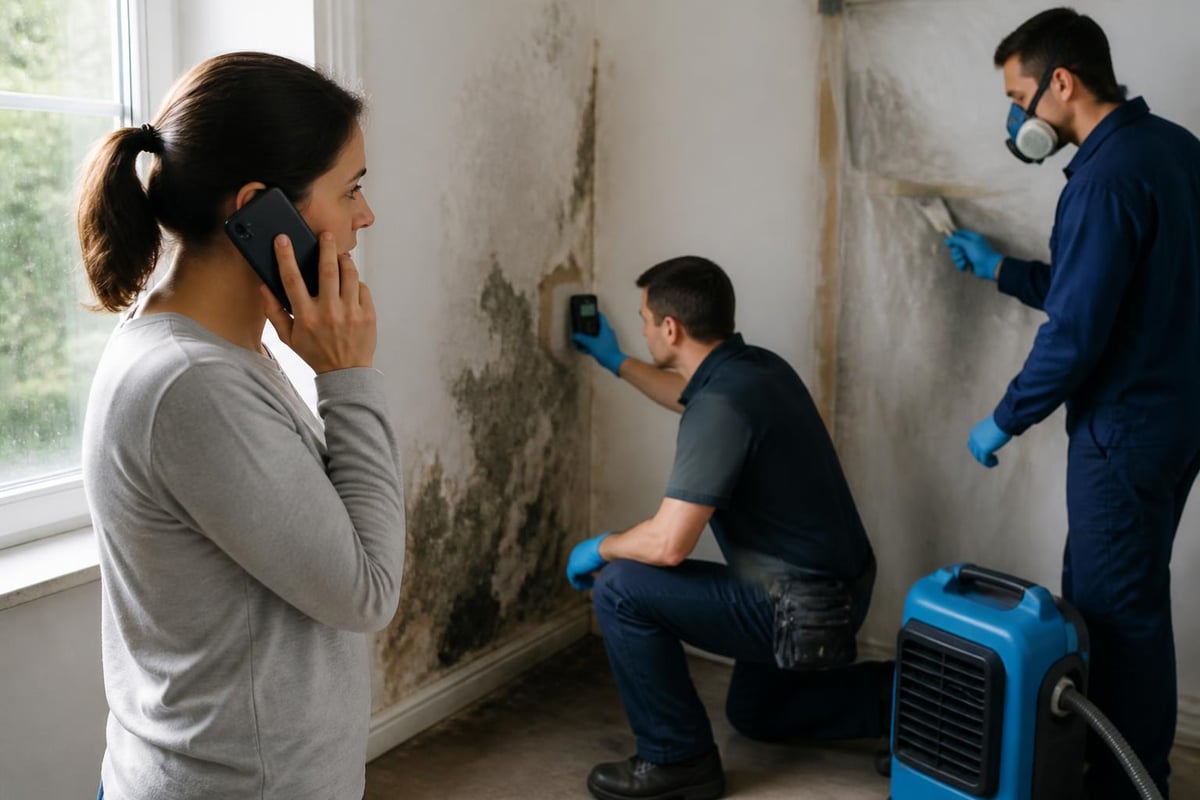
The introduction of Awaab's Law within the Social Housing (Regulation) Act 2023 fundamentally changed the landscape of damp and mould compliance. Landlords must now investigate damp and mould hazards within 14 days of notification and commence remedial works within a further seven days. For severe cases presenting immediate risk, action must be taken within 24 hours.
These obligations apply equally to social housing providers and private landlords, reflecting the Health and Safety at Work Act 1974's requirement to provide safe accommodation. The Mould and Damp Assessment service provides the diagnostic foundation, identifying moisture sources, ventilation deficiencies, and underlying building defects.
Root Cause Diagnosis
Effective remediation depends on accurate diagnosis. Surface treatments and redecoration address symptoms, not causes, and mould will return unless moisture sources are eliminated. Common underlying issues include:
- Rising damp from failed damp-proof courses
- Penetrating damp from defective roofs, gutters, or external walls
- Condensation from inadequate heating, insulation, or ventilation
- Leaking pipework, radiators, or sanitary fittings
- Thermal bridging and cold spots
Thermal imaging, moisture meters, and hygrometers provide objective data to differentiate between damp types and guide proportionate remediation. The UK legislation framework supporting these obligations continues to evolve, with enforcement action increasingly targeting duty holders who fail to address the root causes of damp and mould.
Electrical Safety Certification
Electrical safety represents a fundamental aspect of home compliance, governed by the Electrical Safety Standards in the Private Rented Sector (England) Regulations 2020. These regulations mandate that landlords must ensure electrical installations in private rented properties are inspected and tested at intervals of no more than five years by a qualified and competent person.
The inspection must comply with BS 7671 (the IET Wiring Regulations) and result in an Electrical Installation Condition Report (EICR). The EICR classifies defects using a coding system:
| Code | Classification | Action Required |
|---|---|---|
| C1 | Danger present | Immediate remedial action |
| C2 | Potentially dangerous | Urgent remedial action |
| C3 | Improvement recommended | Non-urgent improvement |
| FI | Further investigation | Additional testing required |
Properties with C1 or C2 defects cannot be let lawfully until remedial works are completed and verified. The residential electrical code compliance standards provide international context for similar frameworks, though the five-year testing interval and mandatory landlord certification remain distinctive features of the UK regime.
Gas Safety and Appliance Maintenance
The Gas Safety (Installation and Use) Regulations 1998 require landlords to arrange annual gas safety checks by a Gas Safe registered engineer. The resulting Gas Safety Certificate (CP12) must confirm that all gas appliances, fittings, and flues are safe for continued use.
Annual gas safety checks must verify:
- All gas appliances are safely installed and operating correctly
- Flues and chimneys are free from obstruction and functioning effectively
- Ventilation provision is adequate for appliance requirements
- Combustion performance meets manufacturer specifications
- Safety devices operate as designed
Landlords must retain gas safety records for a minimum of two years and provide copies to new tenants before occupation or to existing tenants within 28 days of completion. Failure to comply constitutes a criminal offence, attracting unlimited fines and potential imprisonment for serious breaches.
Energy Performance and Minimum Standards
The Energy Efficiency (Private Rented Property) (England and Wales) Regulations 2015 introduced minimum energy efficiency standards, prohibiting the letting of properties with an Energy Performance Certificate (EPC) rating below E (unless exempted). From April 2020, landlords cannot continue letting non-compliant properties, even to existing tenants.
EPC assessments evaluate thermal performance, heating systems, insulation levels, and renewable energy provision. Achieving compliance often requires capital investment in loft insulation, cavity wall insulation, double glazing, or heating system upgrades. Government schemes including the Green Homes Grant and ECO4 provide financial support for qualifying improvements.
The trajectory towards net-zero emissions suggests future tightening of minimum standards, with proposals for a minimum C rating by 2030 under active consideration. Forward-looking home compliance strategies anticipate these changes, integrating energy efficiency into planned maintenance and refurbishment programmes.
Multi-Discipline Compliance Integration
The complexity and interdependencies within home compliance demand coordinated management. Asbestos registers inform fire-stopping specifications. Ventilation improvements for mould control affect fire strategy. Water system alterations trigger Legionella reassessment. Fragmented, single-discipline approaches create gaps, contradictions, and unnecessary cost.
Leading property managers recognise the value of consolidating compliance under a single, multi-discipline consultancy capable of delivering integrated risk management. The case for integration extends beyond administrative convenience-it delivers improved data quality, eliminates duplicated site visits, ensures cross-discipline awareness, and creates unified audit trails.
The multi-discipline approach also addresses the perennial challenge of contractor coordination. When asbestos surveyors, fire assessors, water hygiene specialists, and damp investigators work within a single organisation, communication flows naturally, survey programming aligns efficiently, and duty holders receive consistent, actionable intelligence.
Documentation and Audit Readiness
Compliance without evidence is compliance that cannot be proven. Regulatory enforcement, insurance claims, sale transactions, and litigation all demand comprehensive, audit-ready documentation. The golden thread concept-creating and maintaining a complete digital record of building information, safety measures, and compliance activities-now extends beyond higher-risk buildings to inform best practice across all residential property.
Essential compliance documentation includes:
- Fire risk assessments and action plan close-out evidence
- Asbestos registers, management plans, and re-inspection records
- Legionella risk assessments and written schemes of control
- Temperature monitoring logs and water sampling certificates
- Electrical installation condition reports
- Gas safety certificates
- EPC certificates and improvement recommendations
- Damp and mould investigation reports and remediation verification
Digital compliance management platforms transform document control, providing version management, automated review scheduling, mobile access for site teams, and instant audit trail production. The maturity of compliance documentation directly correlates with regulatory confidence, insurance premium competitiveness, and transaction readiness.
Enforcement Landscape and Penalties
Local authorities, the Health and Safety Executive, and the Building Safety Regulator all exercise enforcement powers across the home compliance spectrum. Enforcement action ranges from informal advice and improvement notices through to prohibition orders, prosecution, and unlimited fines.
The Housing and Planning Act 2016 introduced Rent Repayment Orders, enabling tenants to reclaim up to 12 months' rent where landlords commit specified offences including failure to license an HMO, breach of improvement or prohibition notices, or certain fire safety failures. These civil penalties operate independently of criminal prosecution, creating dual financial exposure for non-compliant landlords.
Beyond statutory penalties, compliance failures carry reputational damage, insurance invalidation risk, and property devaluation. Due diligence in property transactions now routinely examines compliance documentation, with purchasers seeking indemnities or price reductions where gaps are identified. The compliance improvement frameworks deployed by leading organisations treat compliance as a value-protecting asset, not merely a cost centre.
Building a Proactive Compliance Culture
Mature home compliance transcends checklist completion to embed risk awareness and continuous improvement throughout property management operations. This cultural shift begins with senior leadership commitment, flows through structured training and competence development, and manifests in routine behaviours including pre-inspection briefings, near-miss reporting, and lessons-learned reviews.
Planned preventative maintenance (PPM) schedules integrate compliance activities into business-as-usual operations, eliminating the reactive scramble when certification expires. Risk-based scheduling concentrates resources on higher-risk assets while optimising inspection frequency for stable, well-controlled systems.
Tenant engagement also plays a critical role. Clear communication about safety systems, simple reporting mechanisms for defects, and transparent disclosure of compliance status build trust and encourage early hazard identification. The most effective landlords treat tenants as partners in safety, not passive recipients of compliance obligations.
Home compliance represents the non-negotiable foundation of responsible property management, spanning fire safety, asbestos control, water hygiene, damp prevention, and building standards. As regulations tighten and enforcement intensifies, duty holders require integrated, audit-ready systems that protect occupants, preserve value, and demonstrate regulatory confidence. Oxford-EC delivers one-stop, multi-discipline risk management across asbestos, fire safety, water hygiene, damp and mould, and building safety-with audit-ready precision, nationwide.