
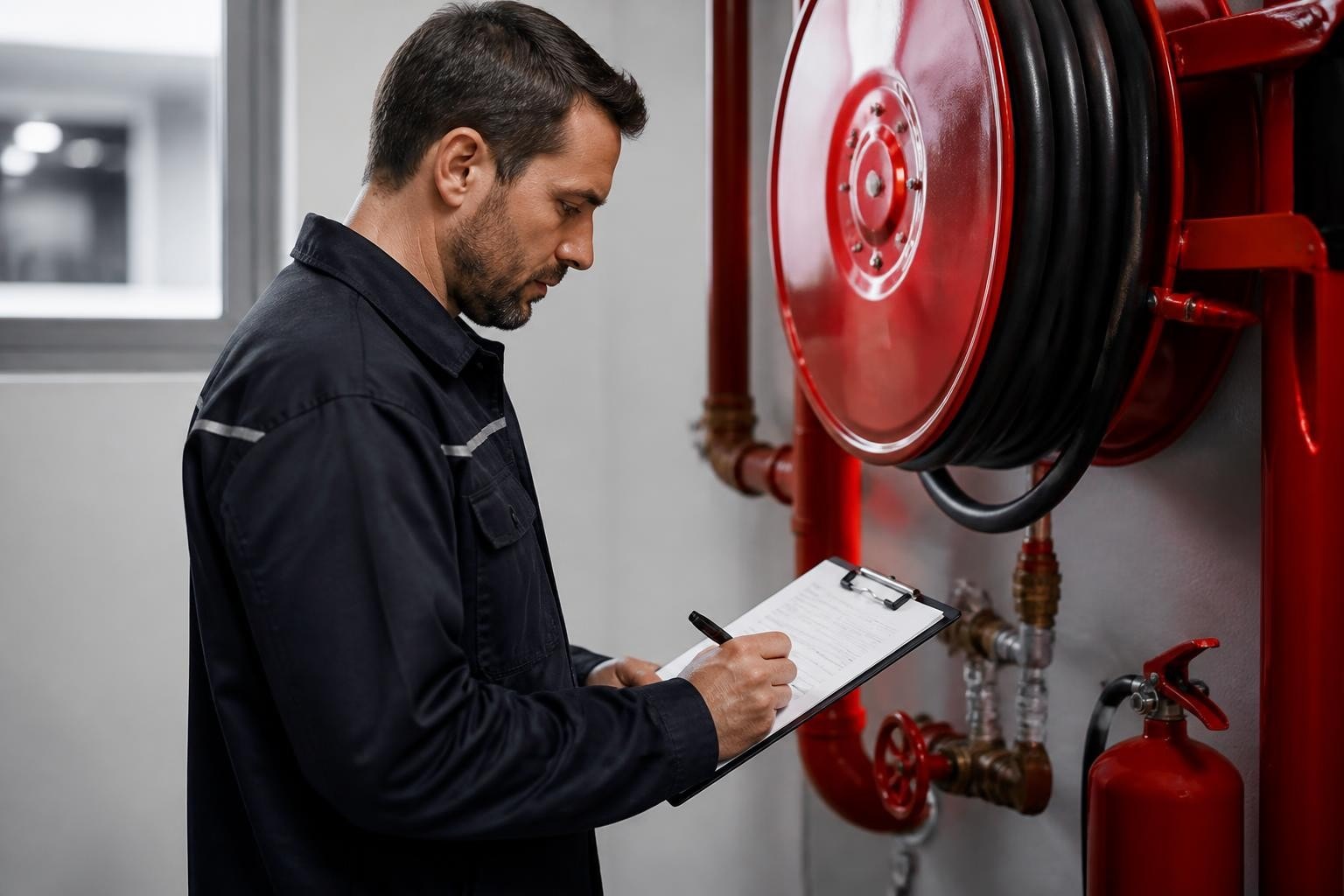
Fire safety remains one of the most critical compliance obligations for property owners, managers, and employers across the United Kingdom. The legal requirement to conduct thorough fire risk assessments has never been more rigorously enforced, with regulatory scrutiny intensifying following legislative reforms and high-profile incidents. Understanding the methodology, legal framework, and practical implementation of fire risk assessments is essential for anyone responsible for non-domestic premises, residential buildings, or mixed-use properties. This guide examines the complete process, from identifying fire hazards to maintaining audit-ready documentation that satisfies both statutory requirements and insurer expectations.
Legal Framework and Responsibilities
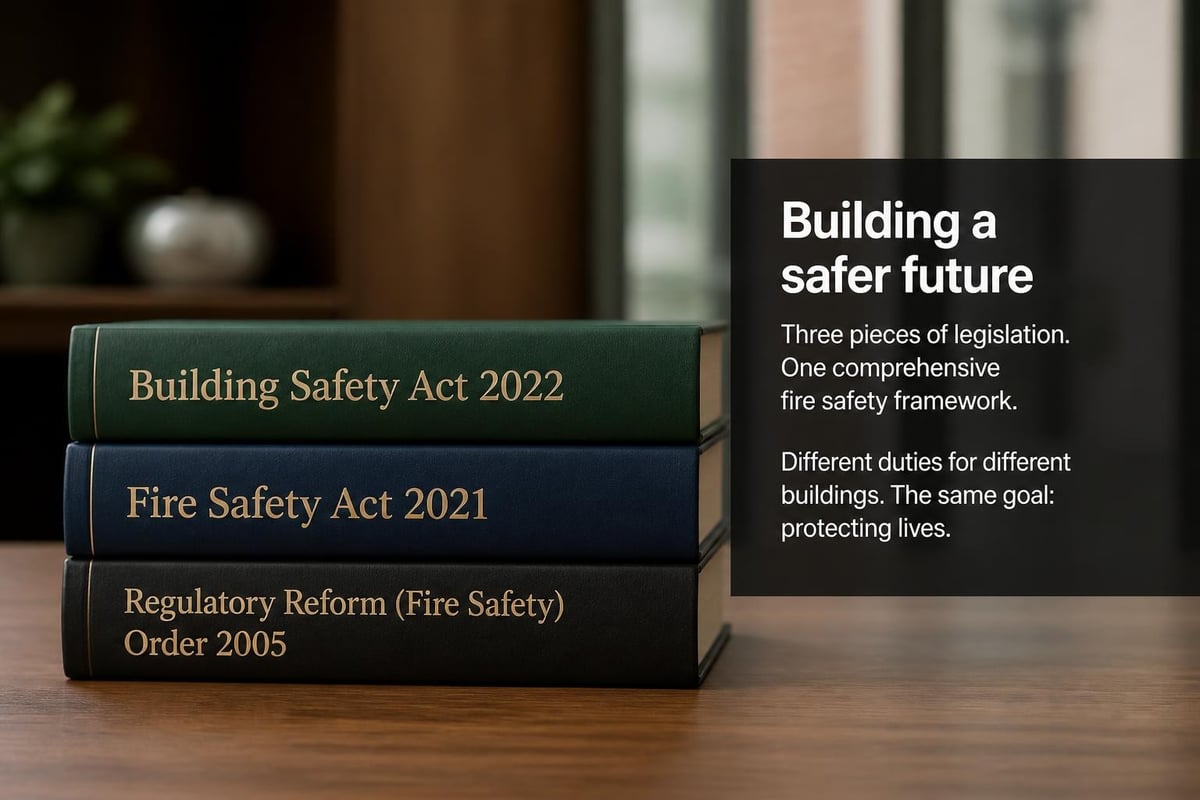
The Regulatory Reform (Fire Safety) Order 2005 establishes the foundation for fire safety law in England and Wales, placing a duty on the "responsible person" to carry out fire risk assessments. This legislation applies to virtually all non-domestic premises, including workplaces, commercial buildings, communal areas of flats, and anywhere people work or visit.
The responsible person is typically:
- The employer in workplace settings
- The building owner or landlord for residential premises
- The managing agent or property manager where appointed
- Any individual with control over the premises or fire safety systems
Scotland operates under the Fire (Scotland) Act 2005 and associated regulations, while Northern Ireland follows the Fire and Rescue Services (Northern Ireland) Order 2006. Despite jurisdictional differences, the core principles remain consistent: fire risk assessments must be suitable, sufficient, and regularly reviewed.
The Fire Safety Act 2021 extended the scope of fire risk assessments in multi-occupied residential buildings, explicitly requiring assessment of external wall systems and flat entrance doors. This legislative change reflected lessons learned from the Grenfell Tower tragedy and signals an ongoing trend towards more comprehensive fire safety evaluation.
Enforcement and Penalties
Fire and Rescue Authorities hold enforcement powers, including the ability to issue enforcement notices, prohibition notices, and ultimately prosecute for non-compliance. Penalties range from unlimited fines to imprisonment for serious breaches, with sentencing guidelines reflecting the potential for catastrophic harm when fire safety is neglected.
Beyond criminal sanctions, civil liability can arise where inadequate fire risk assessments contribute to injury or death. Insurers increasingly require evidence of compliant fire risk assessments as a condition of coverage, making robust documentation a commercial imperative as well as a legal one.
The Five-Step Methodology
Fire risk assessments follow a structured five-step process that ensures systematic identification and mitigation of fire hazards. The London Fire Brigade outlines these responsibilities in detail, emphasising that assessments must be proportionate to the risk and complexity of the premises.
Step One: Identify Fire Hazards
This initial stage involves identifying potential sources of ignition, fuel, and oxygen within the premises. Common ignition sources include electrical equipment, heating systems, cooking facilities, smoking materials, and hot work activities. Fuel sources encompass flammable materials, textiles, furniture, stored goods, and structural elements.
A competent assessor examines every area accessible to occupants or where fire could spread, documenting hazards room by room. This includes service risers, roof voids, plant rooms, and storage areas that may be overlooked during superficial inspections.
Step Two: Identify People at Risk
Understanding who may be harmed by fire is crucial for determining appropriate protective measures. Vulnerable groups require particular consideration, including:
- Individuals with mobility impairments or sensory disabilities
- Lone workers or those in isolated areas
- Sleeping occupants in residential settings
- Members of the public unfamiliar with the premises
- Children or elderly persons requiring assistance
The assessment must consider maximum occupancy levels, typical usage patterns, and foreseeable scenarios where people may be present outside normal hours.
Step Three: Evaluate, Remove, and Reduce Risk
Once hazards and people at risk have been identified, the assessor evaluates existing fire safety measures and determines whether they provide adequate protection. This stage examines:
| Fire Safety Element | Assessment Criteria |
|---|---|
| Means of escape | Adequacy of escape routes, travel distances, signage, emergency lighting |
| Fire detection and warning | Type, coverage, and maintenance of fire alarm systems |
| Fire-fighting equipment | Provision, suitability, and accessibility of extinguishers and other equipment |
| Fire safety management | Training, drills, maintenance records, emergency procedures |
| Structural fire protection | Compartmentation, fire doors, fire-resistant construction |
Risk reduction involves eliminating hazards where possible, substituting with safer alternatives, or implementing control measures that mitigate residual risks to acceptable levels.
Step Four: Record, Plan, and Train
The findings of fire risk assessments must be formally recorded if the organisation employs five or more people, though recording is considered best practice regardless of organisation size. Documentation should include:
- Identified hazards and people at risk
- Existing control measures and their adequacy
- Actions required to reduce risk, prioritised by urgency
- Arrangements for ongoing maintenance and review
- Emergency procedures and evacuation plans
Training programmes ensure that staff understand their roles in fire safety, including raising the alarm, evacuating safely, and using fire-fighting equipment where appropriate. Regular fire drills test the effectiveness of evacuation procedures and identify areas requiring improvement.

Step Five: Review and Revise
Fire risk assessments are living documents requiring periodic review to remain valid. Scottish Fire and Rescue Service guidance recommends annual reviews as a minimum, with additional reviews triggered by:
- Changes to the premises layout or use
- Alterations to fire safety systems
- Changes in occupancy type or numbers
- Following a fire or near-miss incident
- When the assessment becomes outdated or inadequate
Review intervals should reflect the complexity and risk profile of the premises. High-risk environments such as care homes or licenced premises may warrant more frequent assessment, whilst low-risk office environments might justify extended intervals if circumstances remain stable.
Assessment Types and Standards
Fire risk assessments vary in scope and depth depending on the premises type and intended use. The PAS 79 suite of standards provides methodology for different building categories.
PAS 79-1 covers non-domestic premises, including offices, shops, industrial units, and public buildings. This standard outlines a systematic approach to assessing fire risk and determining appropriate fire precautions.
PAS 79-2 addresses residential buildings, including purpose-built flats, converted properties, and houses in multiple occupation. The standard recognises the specific challenges of residential fire safety, including sleeping risk and the need for protected escape routes. For properties requiring fire safety compliance, professional assessments aligned to PAS 79-2 ensure that all regulatory requirements are met with appropriate documentation.

Fire risk assessments are further classified by type, reflecting the level of access and scope of investigation:
- Type 1: Non-destructive visual assessment of common areas only (typical for occupied residential buildings)
- Type 2: Includes sample inspections within individual flats or units
- Type 3: Comprehensive assessment including all areas with full access
- Type 4: Detailed assessment incorporating destructive investigation where required
The chosen assessment type must be appropriate to the premises, its use, and the level of information required for effective fire safety management.
Common Deficiencies and Remedial Priorities
Analysis of fire risk assessments across commercial and residential portfolios reveals recurring deficiencies that demand attention. Understanding these common failings helps responsible persons focus resources on areas most likely to require remediation.
Fire Doors and Compartmentation
Fire door failures represent one of the most prevalent deficiencies identified during assessments. Issues include:
- Missing or inadequate intumescent strips and smoke seals
- Self-closing devices that are faulty, missing, or wedged open
- Damaged door leaves or frames compromising integrity
- Gaps exceeding permitted tolerances around door edges
- Unauthorised alterations such as additional glazing or letterboxes
Compartmentation breaches through service penetrations, improperly sealed risers, or damaged fire-resistant construction undermine the containment strategy that underpins most fire safety designs.
Means of Escape Obstructions
Escape routes must remain clear, well-lit, and readily available at all times. Common problems include:
- Storage of goods or equipment within escape corridors
- Locked or difficult-to-operate final exit doors
- Inadequate or non-functioning emergency lighting
- Poor or missing directional signage
- Travel distances exceeding design parameters
Devon and Somerset Fire and Rescue's five-step guidance emphasises that escape routes must be intuitive and unobstructed, particularly for those unfamiliar with the premises.
Fire Detection and Alarm Systems
Inadequate fire detection coverage or poorly maintained alarm systems create significant risk. Regular servicing in accordance with BS 5839 is essential, yet assessments frequently identify:
- Overdue maintenance or testing
- Insufficient coverage in high-risk areas
- Incompatible or obsolete equipment
- Lack of integration between detection and emergency lighting systems
- Absent or unclear zone plans
Competence and Assessor Qualifications
The quality of fire risk assessments depends entirely on the competence of the person conducting the evaluation. No specific certification is legally required, but responsible persons must ensure their assessor possesses appropriate knowledge, skills, and experience.
Recognised qualifications and memberships include:
- Level 4 Diploma in Fire Safety (Fire Risk Assessment)
- Institution of Fire Engineers membership
- NEBOSH Fire Safety qualifications
- Building Research Establishment (BRE) accreditation
- Professional registration with relevant industry bodies
Third-party certification schemes provide quality assurance, with assessors subject to peer review, continuing professional development requirements, and adherence to recognised standards. Royal Berkshire Fire and Rescue Service notes that competent assessors should demonstrate understanding of fire behaviour, building construction, fire safety legislation, and risk assessment methodology.
When selecting an assessor, responsible persons should verify qualifications, request sample reports, and confirm professional indemnity insurance coverage. The assessor should be independent, objective, and free from conflicts of interest that might compromise the integrity of the assessment.
Integration with Broader Compliance Obligations
Fire risk assessments do not exist in isolation but form part of a comprehensive compliance framework spanning multiple disciplines. Property managers increasingly recognise the efficiency gains from coordinating fire safety with other statutory assessments.
Building Safety and Fire Risk Assessment
The Building Safety Act 2022 introduces the "responsible person" concept for higher-risk residential buildings, creating explicit links between building safety case reports and fire risk assessments. Safety case reports must demonstrate that fire risks have been properly assessed and that control measures are proportionate and effective.
This integration ensures that fire risk assessments inform the broader understanding of building safety, including structural integrity, external wall systems, and means of escape strategies. The accountable person must maintain a "golden thread" of building information, with fire risk assessments contributing essential data to this repository.
Multi-Discipline Risk Management
Forward-thinking property managers consolidate compliance activities to reduce duplication, improve coordination, and maintain consistent documentation standards. Oxford Environmental Consulting's approach demonstrates how fire safety integrates with asbestos management, water hygiene, and building safety within a unified risk management framework.
Coordinated assessments identify interdependencies that might otherwise be overlooked, such as fire doors containing asbestos materials requiring specialist removal, or fire suppression systems creating legionella risks in water distribution networks.

Documentation and Audit Readiness
The evidential value of fire risk assessments depends on documentation quality. Regulators, insurers, and enforcement authorities expect comprehensive records that demonstrate due diligence and systematic risk management.
Essential Documentation Components
A compliant fire risk assessment should include:
| Document Element | Purpose and Content |
|---|---|
| Executive summary | High-level findings, overall risk rating, critical actions |
| Premises details | Address, construction type, occupancy, use classification |
| Assessment scope | Areas inspected, limitations, standards applied |
| Hazard identification | Documented ignition sources, fuel loads, vulnerable occupants |
| Risk evaluation | Analysis of existing controls, residual risk levels |
| Action plan | Prioritised recommendations with costings and timescales |
| Plans and photographs | Annotated floor plans, photographic evidence of deficiencies |
| Appendices | Relevant legislation, test certificates, maintenance records |
Digital documentation platforms increasingly support fire risk assessment management, enabling photograph embedding, automatic action tracking, and integration with maintenance management systems.
Retention and Accessibility
Fire risk assessment records must remain accessible to enforcement authorities, insurers, and anyone with responsibilities for fire safety. Retention periods vary, but best practice suggests maintaining current assessments plus at least the two previous iterations to demonstrate ongoing review and improvement.
Cloud-based systems provide secure storage with version control, ensuring that the most current assessment is readily available whilst preserving historical records for audit purposes. Understanding compliance obligations helps property managers establish appropriate retention policies aligned with regulatory expectations.
Emerging Technologies and Data-Driven Assessment
Innovations in fire safety technology are beginning to influence fire risk assessment methodology, creating opportunities for more dynamic and data-informed evaluations.
Building Information Modelling (BIM)
BIM platforms integrate architectural, structural, and systems information within a digital twin of the building. Fire risk assessors can access comprehensive building data, including compartmentation details, fire stopping locations, and fire safety system specifications, without destructive investigation.
This approach improves assessment accuracy whilst reducing the need for intrusive surveys, particularly valuable in occupied premises where access limitations might otherwise compromise evaluation completeness.
Internet of Things (IoT) and Sensor Integration
Connected fire detection systems generate real-time data on alarm activations, system faults, and environmental conditions. Advanced analytics identify patterns that may indicate emerging risks, such as repeated false alarms suggesting equipment degradation or inappropriate system specification.
Research into data-driven fire risk modelling demonstrates how integrating building characteristics, occupancy patterns, and historical incident data can enhance predictive fire risk assessment, moving beyond point-in-time evaluation towards continuous risk monitoring.
Sector-Specific Considerations
Different property sectors present unique fire safety challenges requiring tailored assessment approaches.
Healthcare and Care Settings
Healthcare premises house vulnerable individuals with limited mobility, impaired awareness, or dependence on life-support equipment. Fire risk assessments must address progressive horizontal evacuation strategies, refuge provision, and staff training in evacuation assistance techniques.
Oxygen-enriched atmospheres in clinical areas increase fire intensity and spread rates, demanding enhanced detection, suppression, and compartmentation measures.
Educational Establishments
Schools and universities accommodate large numbers of people unfamiliar with the premises, including children with varying levels of fire safety awareness. Assessments must consider:
- Age-appropriate fire safety education and drill procedures
- Seasonal occupancy variations and examination period arrangements
- Specialist facilities such as laboratories, workshops, and performance spaces
- Residential accommodation within campus environments
Industrial and Warehousing
High fire loads, hazardous processes, and complex building layouts characterise industrial premises. Fire risk assessments must evaluate process-specific ignition sources, flammable material storage arrangements, and adequacy of fire suppression systems.
Large, open-plan warehouses present challenges for means of escape, smoke control, and fire detection coverage, requiring specialist assessment expertise.
Residential High-Rise Buildings
The Fire Safety Act 2021 substantially increased assessment requirements for high-rise residential buildings, particularly those exceeding 18 metres or seven storeys. External wall system assessments must now be explicitly included, examining cladding materials, insulation, and cavity barriers.
Flat entrance door fire resistance has become a key focus, with assessments evaluating whether doors achieve the required 30 or 60-minute fire resistance based on building risk profile and evacuation strategy.
Cost and Value Considerations
Fire risk assessment costs vary significantly based on premises size, complexity, and assessment type required. Typical commercial rates for professional assessments range from £300 for small, low-risk premises to several thousand pounds for large, complex buildings requiring Type 3 or Type 4 assessments.
Factors influencing cost include:
- Premises floor area and number of floors
- Complexity of layout and construction
- Number of occupants and occupancy types
- Previous assessment history and documentation quality
- Urgency and access constraints
Property managers should view fire risk assessments as essential risk management investments rather than discretionary costs. The financial consequences of non-compliance, including enforcement action, business interruption, and civil liability, vastly exceed assessment costs.
Furthermore, comprehensive fire risk assessments often identify cost-effective improvements that reduce insurance premiums, avoid expensive retrofits, and prevent business disruption from enforcement notices.
Managing the Remedial Programme
Completing the fire risk assessment is merely the starting point. Implementing recommendations within appropriate timescales determines whether the assessment delivers genuine risk reduction or remains a paper exercise.
Prioritisation Matrix
Action plans should categorise recommendations by urgency and severity:
- Immediate (0-24 hours): Life-critical deficiencies requiring instant action
- Urgent (1-7 days): Significant risks requiring rapid remediation
- Short-term (1-3 months): Important improvements with defined completion targets
- Medium-term (3-12 months): Enhancements to improve fire safety standards
- Long-term (12+ months): Strategic improvements aligned with planned maintenance cycles
Responsible persons must allocate resources, assign responsibilities, and monitor progress against defined timescales. Failure to implement recommendations undermines the entire assessment process and creates potential liability where incidents occur.
Procurement and Specialist Contractors
Many remedial actions require specialist contractors, including fire door installers, fire stopping specialists, and fire safety system engineers. Procurement should verify contractor competence through third-party certification schemes, insurance verification, and reference checks.
Coordination between different trades becomes critical where multiple deficiencies require remediation, particularly in occupied premises where access must be managed to minimise disruption.
Effective fire risk assessments form the cornerstone of legally compliant and genuinely safe premises, protecting life, property, and business continuity across all building types. The investment in competent assessment, comprehensive documentation, and systematic remediation delivers measurable risk reduction whilst satisfying increasingly stringent regulatory expectations. Whether managing residential portfolios, commercial estates, or mixed-use developments, partnering with specialists who understand the broader compliance landscape ensures that fire safety integrates seamlessly with other statutory obligations. Oxford Environmental Consulting delivers precisely this multi-discipline approach, combining fire risk assessments with asbestos, water hygiene, and building safety expertise to create audit-ready compliance programmes that protect your people, your property, and your reputation nationwide.